
Stress has become a constant presence in modern life. Short-term stress can be helpful, but chronic stress takes a toll on both the body and mind. Understanding the science of stress and how yoga regulates the nervous system can help you move from survival mode into a state of balance and resilience.
When you experience stress, your body activates the autonomic nervous system, specifically the sympathetic nervous system. This response increases heart rate, raises cortisol levels, and prepares the body to react to perceived threats. This is a useful response of the body, we need this to happen to survive and thrive. The problem arises when this state becomes chronic. Prolonged stress keeps the nervous system in a constant state of alert, which can lead to anxiety, sleep disorders, digestive issues, weakened immunity, and burnout.
To counteract this, the body relies on the parasympathetic nervous system. This system promotes relaxation, recovery, and healing. It’s the natural break we have imbedded in our nervous system to slow things down. The problem is that often we feel we can’t slow down, we keep living life in sympathetic overdrive and we forget how important it is to rest, to keep the systems in balance, to learn how to regulate our nervous system and avoiding exhaustion. And this is where yoga can help profoundly by helping regulating our nervous system.
But… How does yoga regulates the nervous system? Yoga is more than physical exercise, it is a powerful tool for nervous system regulation. Through mindful movement, breathwork, and meditation, yoga directly influences the physiological stress response.
1. Yoga activates the parasympathetic nervous system
Slow, intentional yoga practices stimulate a key component of the parasympathetic nervous system (the vagus nerve). This activation helps lower heart rate, reduce blood pressure, and decrease cortisol levels, allowing the body to shift into a state of calm, which in turns tells the mind it’s ok to relax.
2. Breathwork reduces stress hormones
Pranayama, or yogic breathing techniques, have been scientifically shown to regulate the nervous system. Practices such as deep diaphragmatic breathing and extended exhalation signal safety to the brain, reducing the production of stress hormones and improving emotional regulation.
3. Mindful movement improves stress resilience
Yoga postures practiced with awareness help release physical tension stored in the body. Over time, this improves stress resilience, teaching the nervous system that it is safe to relax.
4. Yoga improves the brain and body communication
Chronic stress disrupts the connection between the brain and body. Yoga enhances interoception, the ability to sense internal bodily signals, helping you recognize stress earlier and respond more effectively.
Research consistently supports yoga as an effective method for stress reduction. Some studies show that regular yoga practice can:
1. Reduce symptoms of anxiety and depression
2. Improve sleep quality
3. Lower cortisol levels
4. Enhance emotional regulation
5. Support overall nervous system balance
These benefits make yoga a valuable practice for anyone seeking long-term stress management and mental well-being.
Incorporating yoga into your routine doesn’t require hours of practice. Even 10–20 minutes of gentle movement, conscious breathing, or meditation can have a measurable impact on your nervous system. A simple daily practice of 5-8 minutes of resonance breathing (5,5 seconds inhale and 5,5 seconds exhale) can do marvels on your overall wellbeing and can be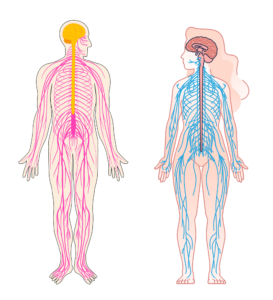 easily integrated in your day at any time.
Simply sit upright, breathe gently through your nose, and focus on slow, diaphragmatic breaths, allowing the breath to move your belly in and out. Inhale slowly through your nose for a count of 5. Exhale slowly through your nose for a count of 5. Keep the breath smooth and continuous, like a circle or a wave, without pausing between the inhale and exhale. If the count of 5 feels comfortable, increase to a count of 6 (use a ticking clock or an app to keep the count consistent). Remember to keep your attention engaged with the breathing, focusing on your heart centre might help if the mind tends to wonder off.
Understanding the science of stress empowers you to take control of your well-being on physical, emotional and mental level. Yoga offers a research-backed, accessible, and holistic approach to regulating the nervous system, helping you move from chronic stress to a state of calm, clarity, and vitality. All our classes at Yoga Circle are rooted in the intention to help you connecting deeper with your body, calming the mind, and restoring balance in this stressful, but wonderful world.

Need some guidance for home practice? Here a couple of useful (and totally free) resources to use from your phone:
– The Breathing App (great for resonance breathing) https://www.thebreathing.app/og
– Insight Timer App (with ‘000 of guided audio practices for meditation, breathing, sound) https://insighttimer.com/