
With the arrival of spring, many people notice changes in their bodies and mood. You might feel more tired than usual, have difficulty concentrating, or experience a general sense of low energy. This phenomenon is often called spring fatigue, and it is a natural response to the seasonal transition.
The good news is that there are gentle and effective ways to support your body during this time. Yoga, mindful movement, and simple lifestyle adjustments can help you adapt to the new season, restore balance, and regain vitality.
What is Spring Fatigue?
Spring fatigue is not an illness but a temporary state that can occur when the body adjusts to longer daylight hours, rising temperatures, and changes in hormones and metabolism. During winter, our bodies naturally slow down. We often spend more time indoors, move less, and follow different routines. When spring arrives, the body needs time to recalibrate to increased activity, more sunlight, and shifting biological rhythms.
There’s often a moment in spring when things don’t feel as light as we expect. 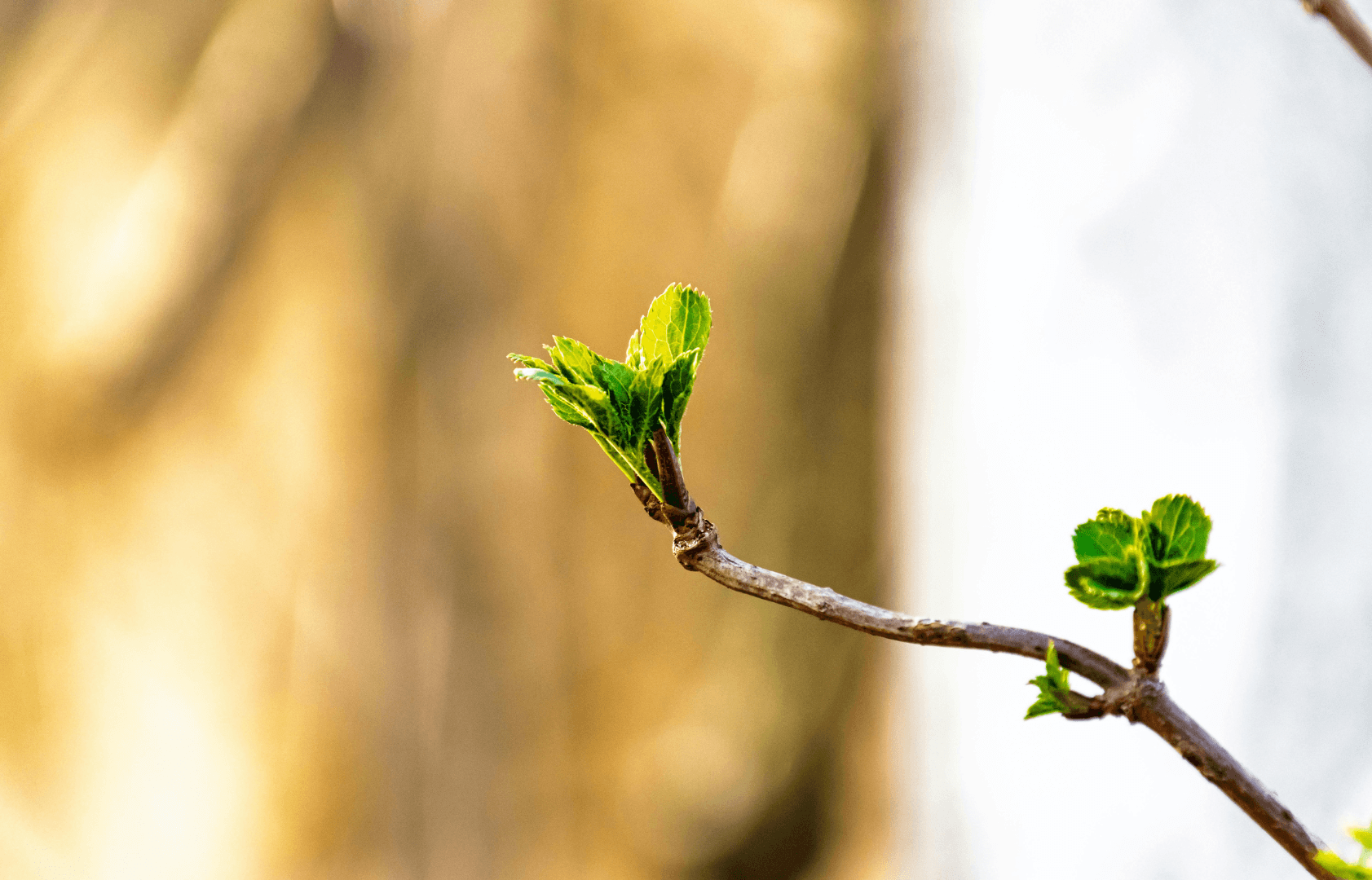
Instead of feeling energised, you might notice:
- Feeling tired or sluggish
- Difficulty concentrating
- Changes in sleep patterns
- Lower motivation or mood fluctuations
- A sense of heaviness in the body
These reactions are normal and usually temporary, but they can be uncomfortable. Particularly because we often experience the pressure of having to feel good about the arrival of spring and longer days, while our bodies & moods are giving us different messages.
Supporting the body through movement, breathing, and mindful routines can make this transition much smoother.
How seasonal change affects the Body
Seasonal transitions influence our energy systems, digestion, and emotional balance. Ayurveda and Traditional Chinese Medicine (TCM) emphasize the importance of aligning with nature’s cycles. According to these traditions, spring is associated with renewal, movement, and the release of stagnation accumulated during winter.
For example:
- In Ayurveda, spring is a time to stimulate circulation and reduce heaviness in the body. Congestion in spring is linked to Kapha quality (heavy, cold, and sticky), so we want to balance this bringing in more of the opposite qualities (light, warm, dry, and mobile)
- In TCM, spring aligns with the Wood element, which rules the liver. This season offers an opportunity to focus on liver health, release anger and frustration, and detoxify to create a fresh start for body and mind, in support of flow, flexibility and vitality.
Many wellness traditions recommend gentle detoxification, increased movement, time outdoors, and breathing practices to support the body during this seasonal shift. These ideas are explored in depth in recent wellness perspectives on seasonal health, which highlight the importance of activating the body, improving circulation, and maintaining emotional balance to counteract fatigue and congestion.
How to adapt your (yoga) practice in spring
Spring invites movement, renewal, and gentle activation. Instead of staying in winter’s slower rhythm, we can gradually introduce more energizing practices. Here are some simple ways to adapt your daily routine:
- Practice in the morning
Integrate movement in your morning routine to help regulate energy levels and support a healthy daily rhythm. If you don’t have an established daily routine (ayurveda style), here’s a simple suggestion for spring:
- Wake a little earlier when the day feels lighter and clearer.
- Start with a cup of hot water to help flush the system, followed by a warming tea like ginger and lemon.
- End your morning shower with cold water, to seal the heat inside the body.
- Do your movement practice, like a few rounds of Surya Namaskar or a brisk walk.
- Enjoy a light but still warm breakfast before heading to work.
- Choose energizing but gentle sequences
Dynamic flows, gentle backbends, and standing poses can stimulate circulation without overwhelming the body. Surya Namaskar – or Sun Salutation – is the perfect dynamic sequence that warms the body, improves circulation and increases alertness.
Twists are great to support liver detox and stimulate digestion. Backbends will help opening the chest and lungs, supporting deeper breathing and increased oxygen flow. Practice slowly and mindfully, focusing on the breath and the sensations in the body.
- Focus on breathing
Breathwork and pranayama exercises help oxygenate the body, improve mental clarity, and reduce fatigue. Few minutes of “slow inhale through the nose expanding the belly and long exhale through the mouth releasing tension” can clear stale energy and emotions from the body, leaving us feeling relaxed and refreshed.
- Spend time outdoors
Practicing yoga in nature or taking mindful walks can significantly improve mood
and vitality. Nature’s green spaces are especially restorative, so spend time in parks, gardens or forests, as wonderful ways to connect with the seasonal energy and support liver function.
- Eat warm & light
Food has the most immediate effect on how we feel. Shift your focus to food that is light, warm, and slightly drying, with bitter, pungent and astringent tastes. Warm, cooked meals are key — even as the weather becomes milder. Avoid cold drinks and foods, drink hot water and warming teas (ginger or ginger & lemon) throughout the day. Add warming spices like ginger, tumuric and black pepper to your meals.
- Let Go!
In spring TCM, anger is seen as a direct reflection of liver health. When the liver’s energy stagnates or spikes, it can lead to heightened emotions such as frustration, irritability and resentment. In the same way, these emotions can cause blockages in the liver, disrupting its function and leading to fatigue and digestive disturbances. Take time to reflect on any unresolved anger or frustration, and practice letting go of these emotions. Engage in journaling, meditation, or even expressive activities like dancing or painting to process and release negative feelings.
Seasonal transitions affect everyone differently. Listen to your body and adjust intensity according to how you feel. And remember that small changes in daily habits can make the biggest difference.